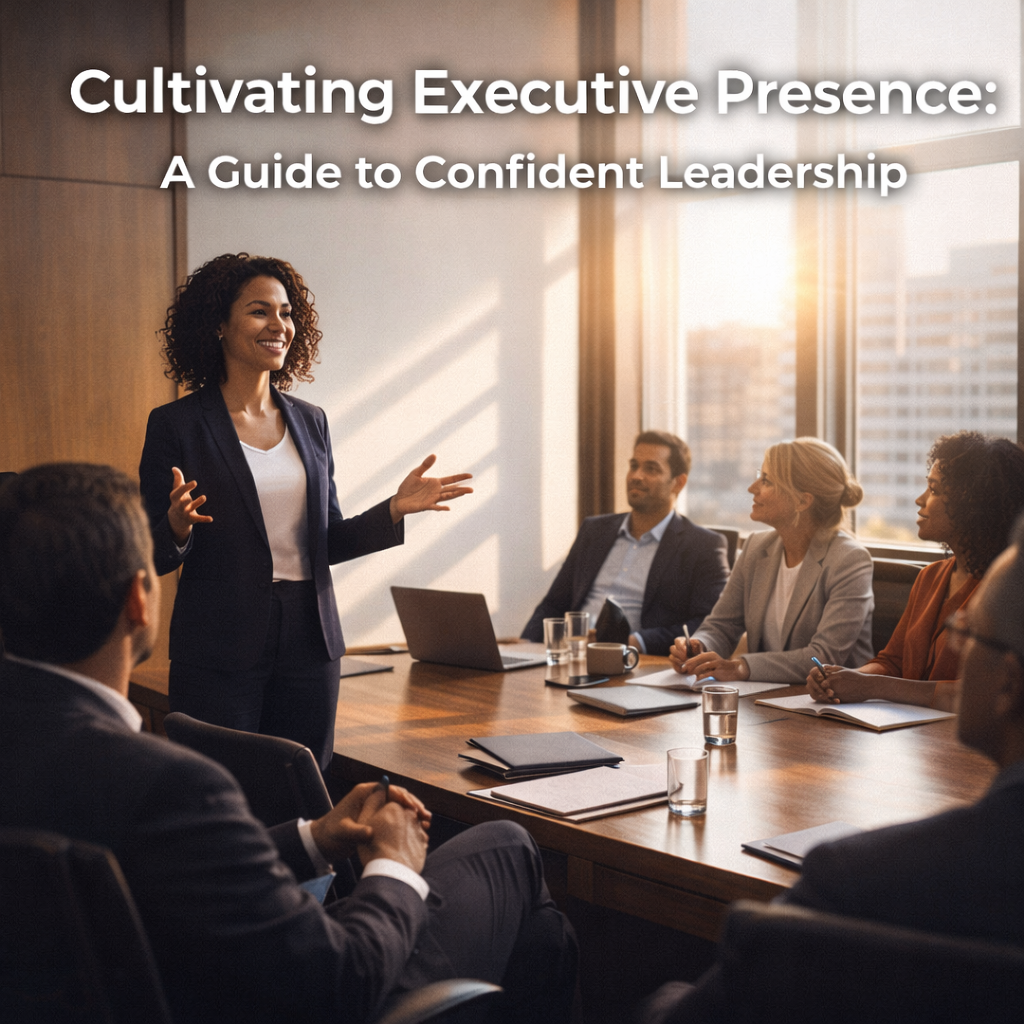
Cultivating Executive Presence: A Guide to Confident Leadership
Executive PresenceLeadershipCommunicationConfidenceEmotional IntelligenceProfessional DevelopmentCareer GrowthManagement Skills
Executive presence is the cornerstone of effective leadership, encompassing a blend of confidence, communication, and interpersonal skills that inspire trust and command respect. It's not merely about holding a leadership position, but about embodying the qualities that make others want to follow you. Cultivating this presence involves a multifaceted approach, focusing on both inner development and outward expression.
One of the key aspects of executive presence is emotional intelligence. This involves understanding and managing your own emotions, as well as recognizing and responding to the emotions of others. Leaders with strong emotional intelligence can navigate stressful situations with composure, make sound decisions under pressure, and foster a positive and supportive work environment. They are also adept at building strong relationships with their colleagues, creating a sense of connection and trust.
Communication is another critical component of executive presence. Effective leaders are able to articulate their ideas clearly and concisely, both verbally and in writing. They are also skilled listeners, able to understand and respond to the needs and concerns of their team members. Good communication involves not only conveying information, but also creating a space for open dialogue and collaboration.
Confidence is essential for inspiring trust and motivating others. However, true confidence is not about arrogance or self-importance. It's about having a firm belief in your abilities, while also being open to feedback and willing to learn from your mistakes. Confident leaders are not afraid to take risks, but they also understand the importance of careful planning and strategic decision-making.
Building executive presence is an ongoing process that requires dedication and self-awareness. It involves identifying your strengths and weaknesses, seeking feedback from others, and continuously working to improve your skills. It also involves cultivating a mindset of growth and learning, embracing challenges as opportunities for development. By focusing on these key areas, you can develop the executive presence needed to lead effectively and achieve your goals.
0:000:00