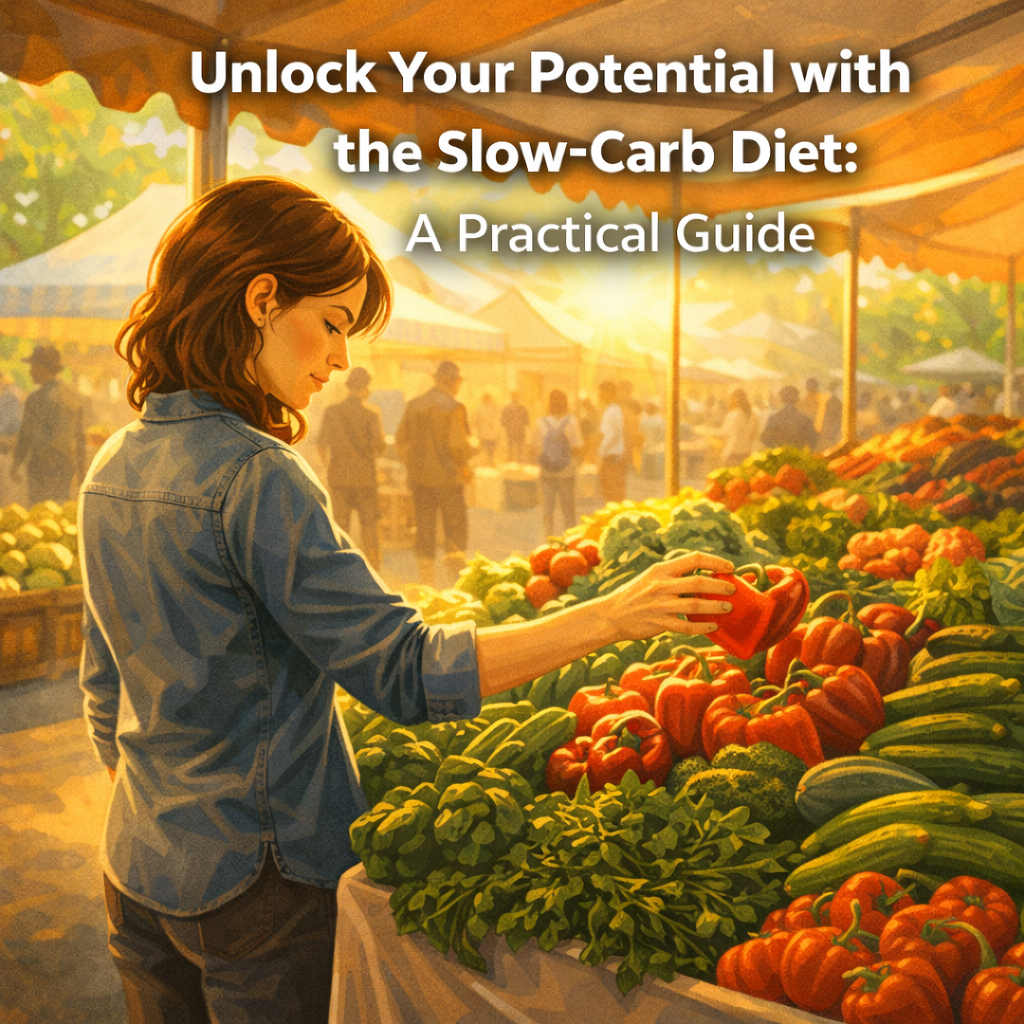
Unlock Your Potential with the Slow-Carb Diet: A Practical Guide
Slow Carb DietSlow CarbWeight LossDietLow CarbNutritionHealthy EatingMeal PlanningLifestyle Change
Embarking on a journey towards better health and weight management often requires a shift in perspective and habits. The Slow-Carb Diet, rooted in scientific research and practical application, offers a structured yet flexible approach to achieving these goals. It's not merely about restricting certain foods; it's about understanding how your body processes different macronutrients and making informed choices that promote fat loss and overall well-being.
The core principle revolves around consuming lean proteins, legumes, and vegetables while avoiding processed foods, sugars, and refined carbohydrates. This dietary framework helps regulate blood sugar levels, reduce cravings, and optimize your body's fat-burning potential. The inclusion of a weekly cheat day serves as a psychological release valve, allowing you to indulge in your favorite treats without derailing your progress. This approach acknowledges the importance of balance and sustainability in any long-term dietary plan.
Consistency is key. Sticking to the approved food list for six days a week establishes a routine that your body can adapt to. By focusing on a limited set of meals, especially for breakfast and lunch, you simplify decision-making and reduce the likelihood of impulsive, unhealthy choices. Starting your day with a protein-rich breakfast is crucial, as it kickstarts your metabolism and keeps you feeling full and energized throughout the morning. Hydration is equally important; prioritize water and unsweetened beverages to avoid unnecessary calories.
Eating out can be a challenge, but with a few strategic adjustments, you can easily navigate restaurant menus. The key is to substitute carbohydrates with vegetables and beans, opting for lean protein sources whenever possible. Planning ahead and identifying Slow-Carb Diet-friendly restaurants in your area can further streamline the process. When time is of the essence, having a selection of quick and easy meal options on hand ensures that you stay on track, even when faced with a busy schedule.
Traveling presents its own set of obstacles, but with careful preparation, you can maintain your dietary habits while on the go. Packing non-perishable items such as tuna pouches, nuts, and protein powder allows you to create healthy meals and snacks, regardless of your location. Remember, the Slow-Carb Diet is not about deprivation; it's about making conscious choices that align with your health goals. By embracing this mindset, you can transform your relationship with food and unlock your full potential for weight loss and overall well-being.
Beyond the specific food guidelines, the Slow-Carb Diet emphasizes mindful eating habits. Eating slowly and paying attention to your body's satiety cues can prevent overeating and promote better digestion. Limiting foods that you tend to overindulge in, even if they are technically allowed on the diet, is crucial for maintaining a calorie deficit. Prioritizing vegetables ensures that you are getting the necessary vitamins, minerals, and fiber to support your overall health. Ultimately, the Slow-Carb Diet is a holistic approach that combines dietary restrictions with mindful eating practices to help you achieve your weight loss goals and improve your overall quality of life.
0:000:00