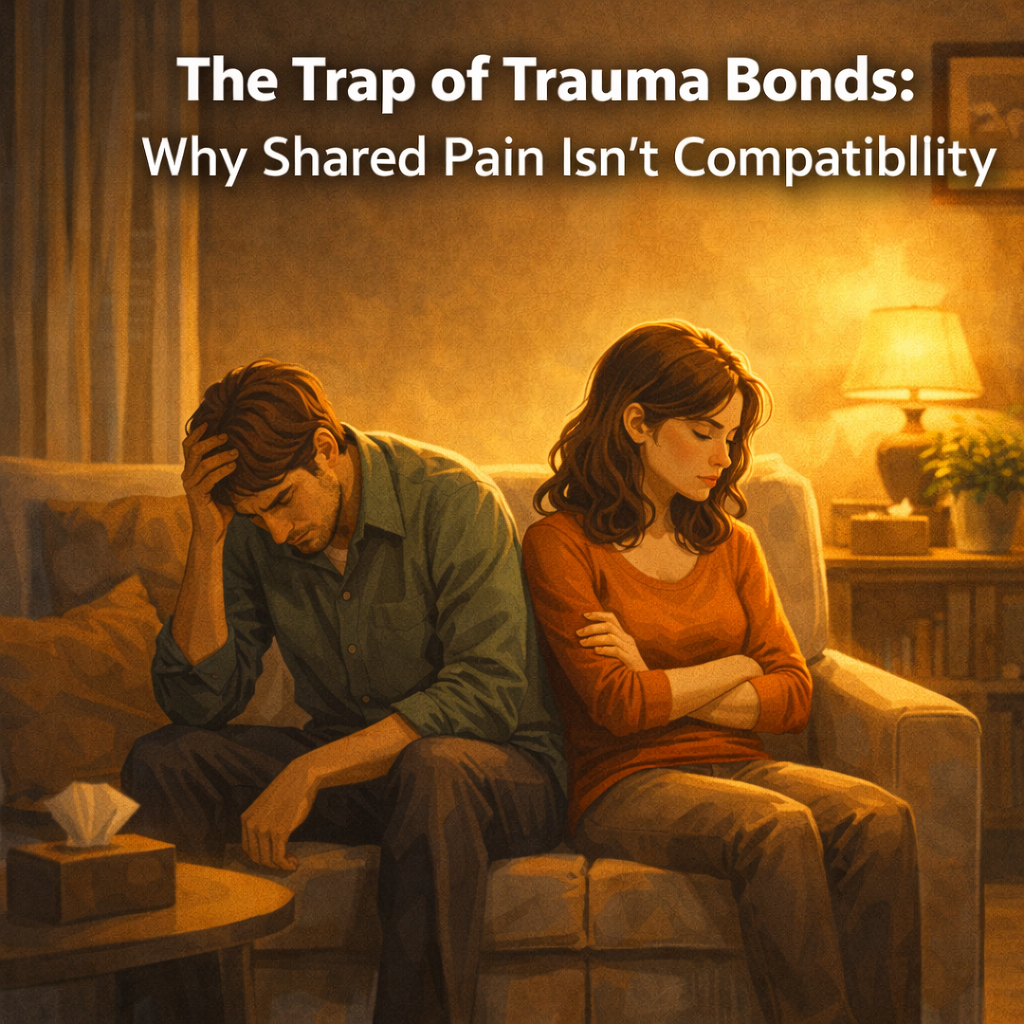
The Trap of Trauma Bonds: Why Shared Pain Isn't Compatibility
RelationshipsDatingTraumaMental HealthLove And SexPersonal DevelopmentPsychologySociety & Culture
We often mistake shared trauma for compatibility, a dangerous illusion that can lead to unhealthy relationships. Trauma bonds, forged in shared pain, create a false sense of connection. These bonds, while providing immediate comfort and support, ultimately hinder healing and perpetuate cycles of revictimization. It's crucial to distinguish between the ability to hurt the same and the capacity to love properly. Trauma can act as 'social glue,' binding people together through shared experiences of adversity. However, relying solely on this foundation is unstable. Seeking partners who can help stop the bleeding, rather than those who share similar wounds, is essential for building healthy relationships. Recognizing the difference between coping and healing is paramount. While shared trauma may offer temporary solace, it doesn't guarantee long-term compatibility or emotional well-being.
Many individuals, particularly those from marginalized communities, experience trauma at higher rates, leading to increased reliance on unhealthy coping mechanisms like emotional numbness and thrill-seeking. These behaviors can further complicate romantic relationships, as individuals may mistake the intensity of trauma-fueled interactions for genuine connection. Breaking free from trauma bonds requires recognizing the instinctual nature of these connections and actively choosing healthier patterns. It involves acknowledging the roots of our behaviors and consciously correcting them. We must remember that we are not slaves to our pain. While pain may initially bring us together, it is not enough to sustain a healthy and fulfilling relationship.
To foster healthy relationships, we must address the underlying ideologies that keep us trapped in cycles of trauma-bonding. This includes seeking professional help, practicing self-care, and developing healthy coping mechanisms. It also involves choosing partners who prioritize healing and growth, rather than those who simply reinforce our existing wounds. Ultimately, building healthy relationships requires a conscious effort to break free from the trap of trauma bonds and create a foundation based on genuine connection, mutual respect, and a shared commitment to healing.
0:000:00