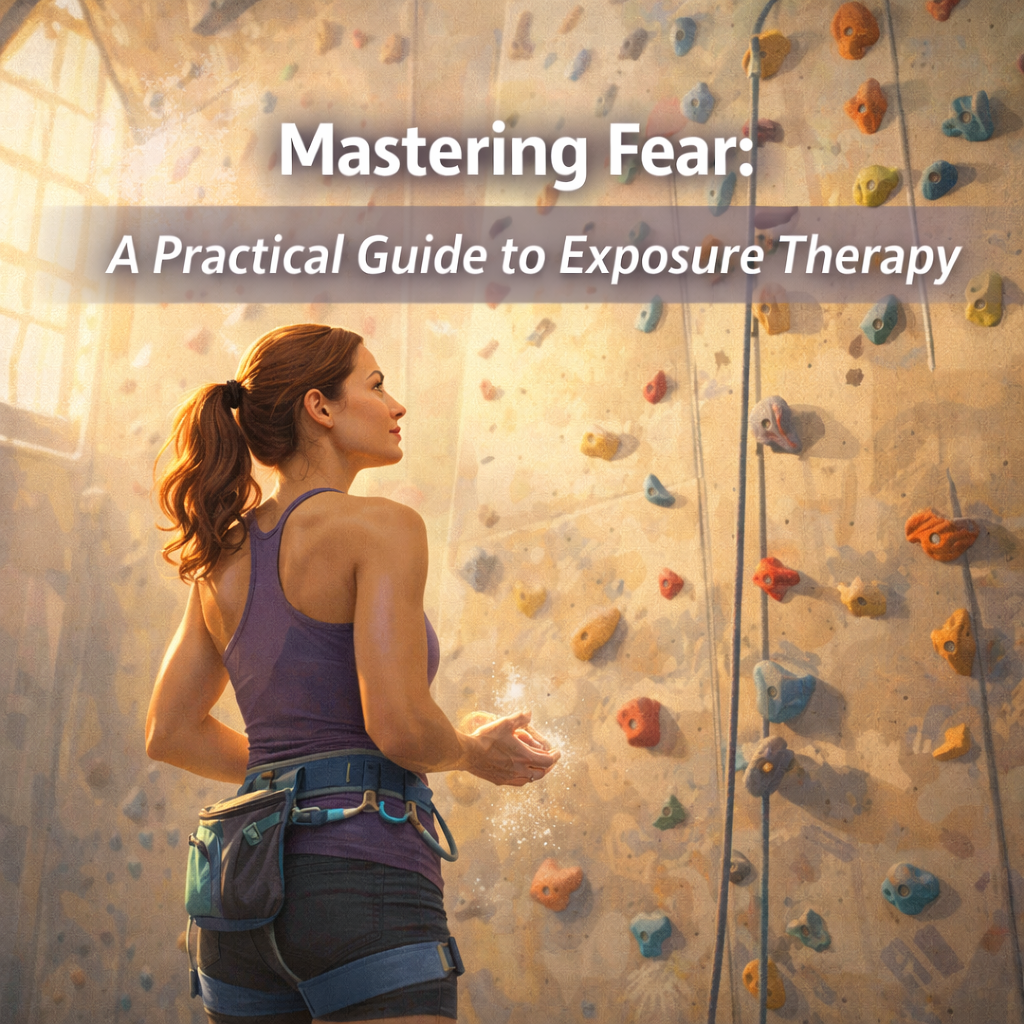
Mastering Fear: A Practical Guide to Exposure Therapy
exposure therapyanxietyfearovercoming fearmental healthcognitive behavioral therapyneuroplasticitypersonal growthresilience
The key to overcoming anxiety lies in confronting your fears systematically through exposure therapy. Avoidance only reinforces the anxiety cycle, making fears seem more insurmountable than they are. Our brains are incredibly adaptable, and by gradually exposing ourselves to what we fear, we can rewire our neural pathways to recognize safety and reduce anxiety levels. This process involves breaking down overwhelming fears into manageable steps, creating a hierarchy from least to most daunting. The initial steps are crucial; they should be small enough to avoid triggering panic, allowing for a sense of control and accomplishment.
Setting clear, personal goals is essential for motivation. Understanding why you want to overcome a particular fear provides the drive to push through discomfort. Visualize the positive outcomes of conquering your fear, focusing on how it will enhance your life and relationships. This vision serves as a constant reminder of what you're working towards, making the process more meaningful and less intimidating. The act of facing your fears, even in small increments, builds a belief in your ability to handle challenges. This newfound confidence extends beyond the specific fear, fostering a general sense of resilience and empowerment.
Repetition is vital in exposure therapy. Engaging repeatedly with the feared situation allows your brain to adapt and recognize the lack of real danger. It's important to stay in the situation long enough for your anxiety to subside, reinforcing the message of safety. However, avoid setting goals based on feeling scared, as this can inadvertently amplify anxiety. Instead, focus on completing a set number of repetitions or spending a specific amount of time in the situation. It's normal to feel anxious during exposure, but it's crucial to allow yourself to experience that anxiety without retreating. Challenge the belief that anxiety is inherently dangerous; it's simply an uncomfortable sensation that doesn't have to control your actions. By facing your fears despite feeling anxious, you prime your brain for learning and adaptation, ultimately reducing anxiety and increasing confidence. Remember to acknowledge your progress and celebrate your accomplishments along the way. Each step forward, no matter how small, is a victory that reinforces your ability to overcome challenges and live a more fulfilling life.
0:000:00