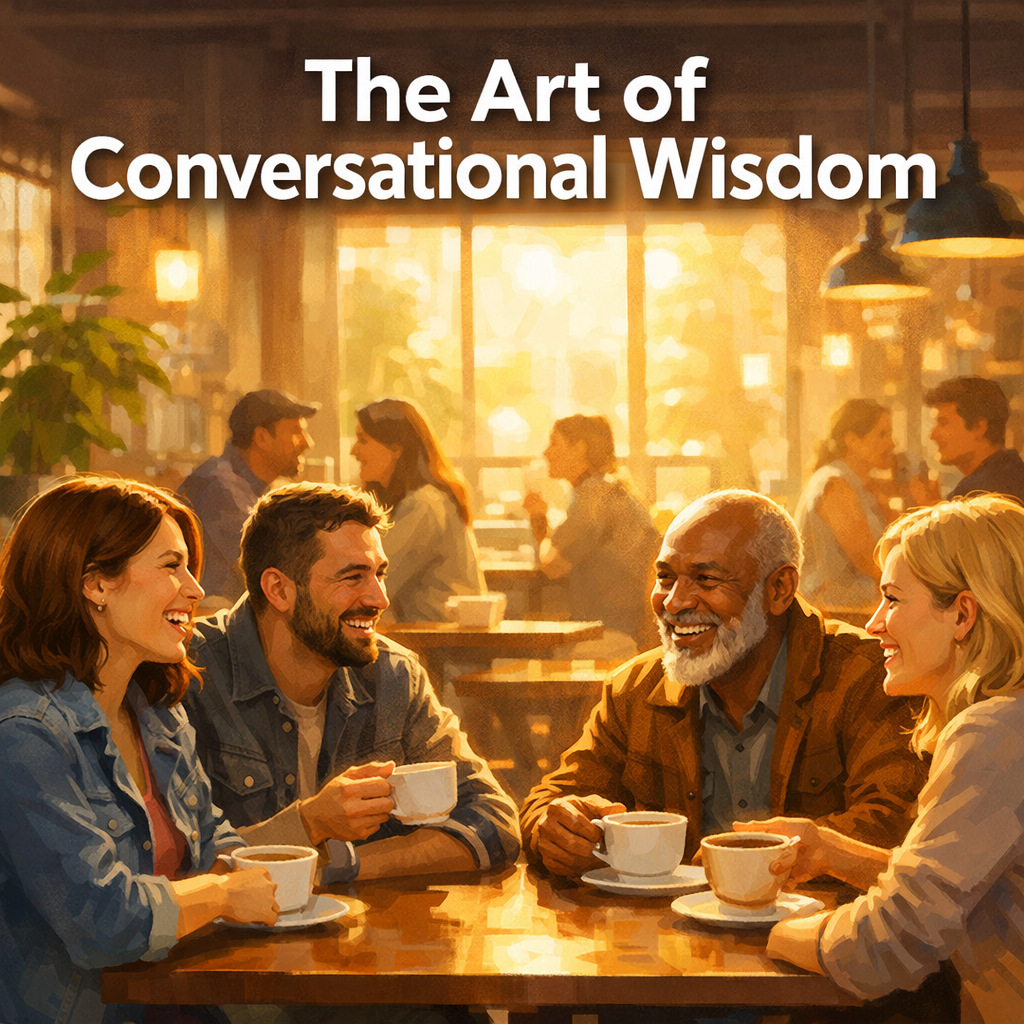
The Art of Conversational Wisdom
LifeLife LessonsSelf ImprovementPersonal DevelopmentCommunication
In the realm of human interaction, conversations often fall short of their potential, marred by impatience, distraction, and a self-centered focus. True discourse transcends mere talking at one another, evolving into a reciprocal exchange where genuine listening and mutual understanding prevail. The mistake we often make is making conversations all about ourselves. People love a great listener. There’s a sense of validation when someone listens closely to what you have to say, nods affirmatively, and paraphrases back to you parts of what you said. When we discipline ourselves to stop steering the conversation back to ourselves, something amazing happens. People start to open up to us. They begin to trust us more. They go home after the conversation and tell others what a brilliant conversationalist you are.
Egocentricity casts a long shadow, causing individuals to steer discussions back to themselves. Conversely, shyness can lead to being overlooked, while overconfidence results in frequent interruptions. Insecurity manifests as one-upmanship, a constant need to outdo others. The essence of enriching conversations lies in moving beyond superficialities, delving into shared struggles, successes, dreams, and ideas. This requires attentive listening, equal contribution, and a willingness to learn from one another, fostering a deeper connection that transcends mundane gossip.
Many conversations devolve into subtle competitions, where individuals are more focused on formulating their next response than truly absorbing what the other person is saying. This awkward dance of egos hinders genuine learning and connection. Even worse are those who dominate conversations, holding others hostage with lengthy, self-aggrandizing stories or endless complaints. Such behavior, while perhaps perceived as captivating by the speaker, often leaves the audience yearning for an end to the ordeal.
To cultivate better conversations, one must prioritize listening over speaking, recognizing that true wisdom often lies in understanding others. This involves asking deeper questions, seeking to comprehend their perspectives, and resisting the urge to impose one's own views. By embracing humility and acknowledging the value of others' experiences, we open ourselves to learning and growth.
Furthermore, it is essential to avoid hogging the conversation or engaging in one-upmanship, behaviors that stem from insecurity and a need for validation. Instead, we should strive to create a space where everyone feels heard and valued, fostering genuine connection and mutual respect. Active listening, which involves paraphrasing and reflecting on what others have said, demonstrates genuine interest and validates their experiences.
Ultimately, conversations are not competitions but opportunities to connect, laugh, cry, and learn from one another. By steering clear of mundane stories, prioritizing listening, and focusing on mutual understanding, we can transform our interactions into enriching experiences that foster deeper connections and greater joy.
0:000:00