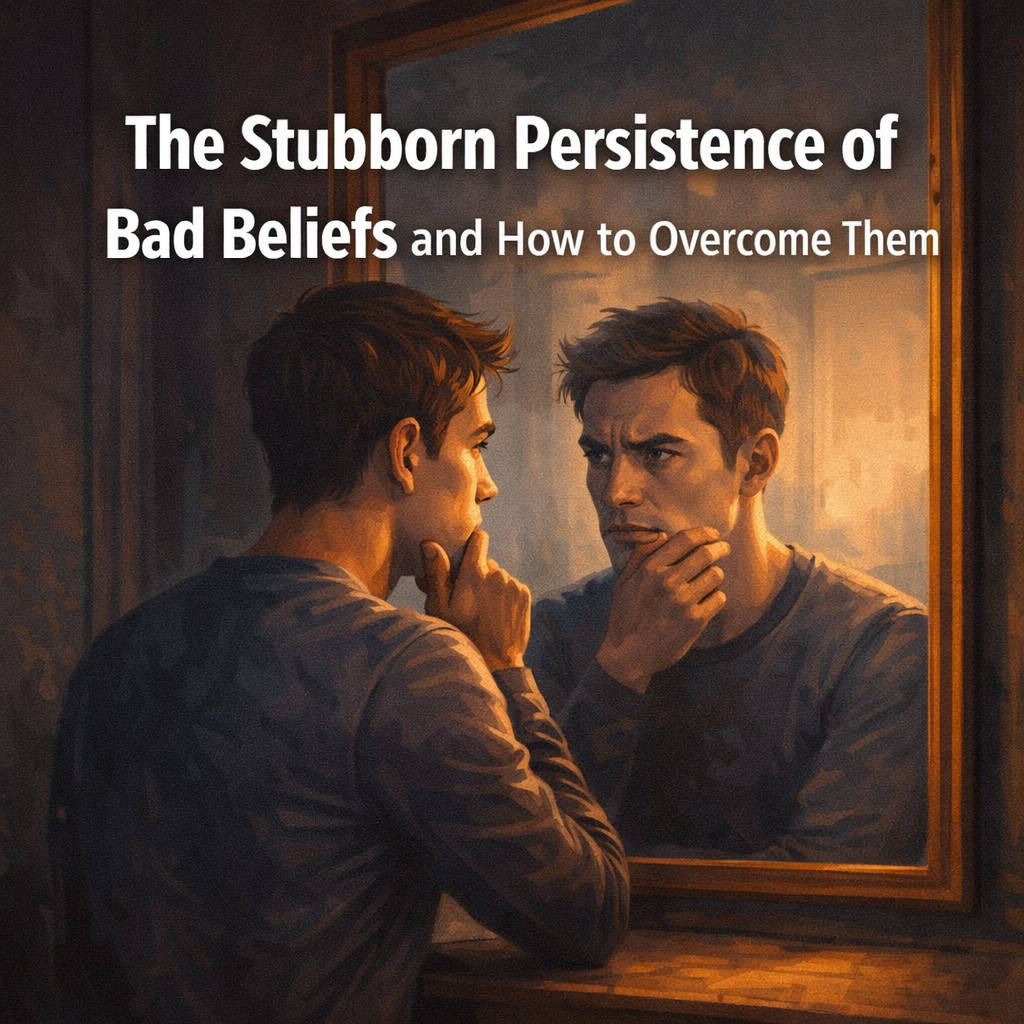
The Stubborn Persistence of Bad Beliefs and How to Overcome Them
Decision MakingSelf ImprovementCognitive BiasBehaviorIdentity
We often cling to detrimental beliefs, not because of logic, but due to emotional reactions and the perceived evidence supporting them. This is exemplified by the historical resistance to antiseptic practices among surgeons, despite overwhelming evidence of their effectiveness. Unlike the immediately observable benefits of anesthesia, the subtle and costly nature of sterilization made it a hard sell, highlighting how easily observable and beneficial beliefs are more readily adopted. This phenomenon extends to personal beliefs about ourselves. If you believe you're unintelligent or unlovable, you'll likely interpret experiences in ways that reinforce this belief, creating a self-fulfilling prophecy. To break free from this cycle, focus on altering the evidence supporting the belief rather than trying to directly change the belief itself. Start by identifying the evidence that reinforces your negative beliefs. Question the validity and helpfulness of this evidence, separating facts from interpretations. Shift your focus to concrete evidence that supports healthier beliefs. Each piece of positive evidence acts as a pin, deflating the negative belief and building a more beneficial one. This process is gradual, akin to the slow adoption of antiseptic techniques in surgery. By consistently questioning assumptions and seeking evidence for positive beliefs, you can transform your core beliefs for the better, leading to a more fulfilling life. Remember, change is a process, and with persistence, you can reshape your beliefs and, consequently, your reality. The key is to actively seek and acknowledge evidence that contradicts negative self-perceptions and reinforces positive ones. This shift in focus gradually weakens the grip of harmful beliefs, paving the way for a more empowering and accurate self-image. Embrace the journey of self-discovery and celebrate each small victory as you build a foundation of positive beliefs that support your growth and well-being. Ultimately, the power to change your beliefs lies within your ability to control the evidence you choose to embrace.
0:000:00