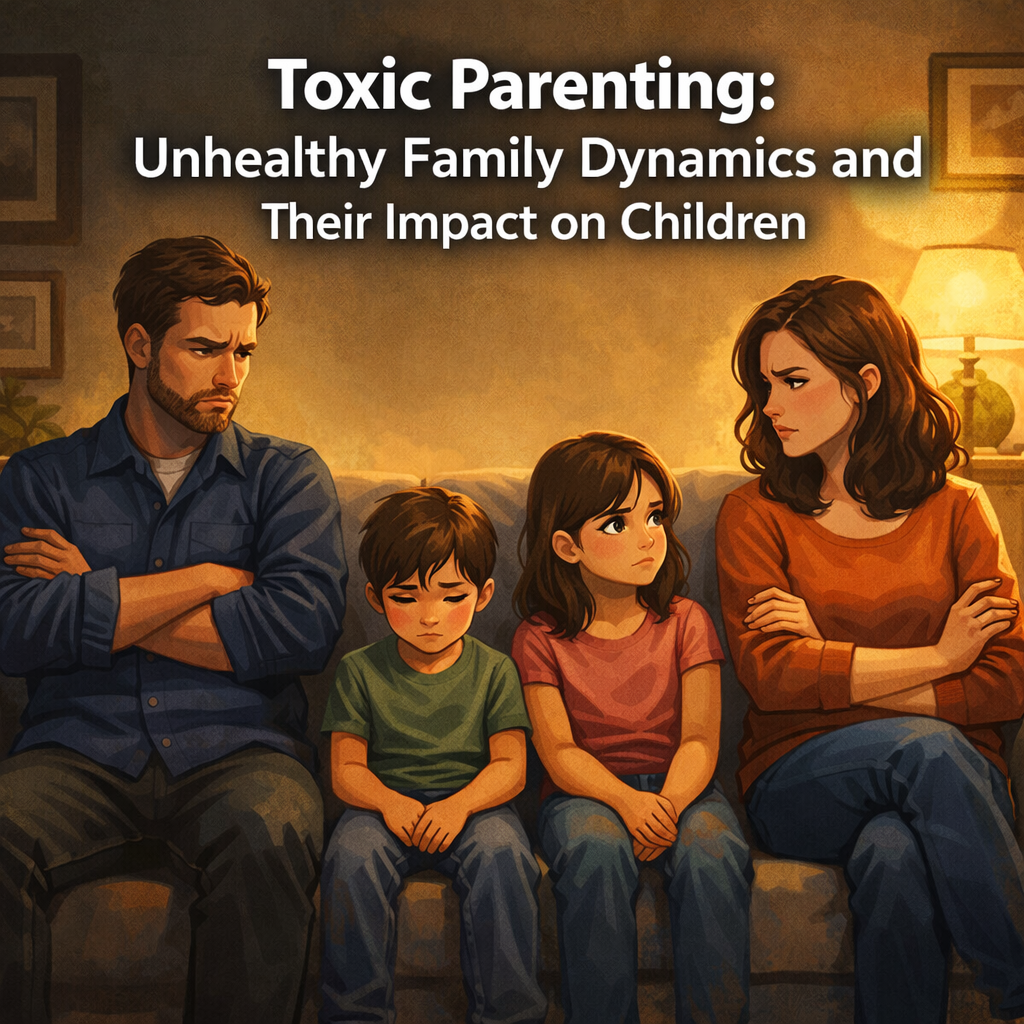
Toxic Parenting: Unhealthy Family Dynamics and Their Impact on Children
Mental HealthRelationshipsParentingFamilyAbuseCommunicationResponsibilityBoundaries
Dysfunctional families often exhibit toxic behaviors that significantly harm children. These behaviors, if left unaddressed, can lead to long-term emotional and psychological issues. One of the most damaging traits is the consistent refusal to accept responsibility. Parents who never admit fault model poor behavior and undermine discipline, teaching their children to avoid accountability. This can manifest in various ways, from excusing bad behavior to blaming others for their mistakes. The impact is profound, as children learn that it's acceptable to evade responsibility, hindering their personal growth and relationships.
Secrecy is another hallmark of dysfunctional families. Keeping secrets, especially those related to abuse or trauma, creates an environment of distrust and fear. Children in such families often feel unsafe and betrayed, leading to acting out, self-harm, or substance abuse. The silence surrounding these secrets prevents healing and perpetuates cycles of abuse across generations. Breaking the cycle requires acknowledging the truth and creating a safe space for open communication.
Constant arguing is also a common characteristic. While disagreements are normal, frequent and intense arguments, especially in front of children, can be deeply damaging. Children learn communication patterns from their parents, and exposure to constant conflict can lead to anxiety, insecurity, and difficulty in forming healthy relationships. It's crucial for parents to have adult conversations in private and model respectful communication.
Role reversal, where children are treated like adults, is another toxic behavior. When children are burdened with adult responsibilities, they experience stress and anxiety beyond their capacity to handle. This can lead to behavioral problems and emotional distress. Maintaining appropriate boundaries and allowing children to be children is essential for their healthy development.
Finally, dysfunctional families are often breeding grounds for abuse, whether physical, sexual, or emotional. Emotional abuse, in particular, is pervasive and can take many forms, such as using drugs in front of children, involving them in adult issues, or withholding love. Such abuse can have severe and lasting effects on a child's mental health. Addressing these issues requires treating the parents and the dysfunctional family system as a whole, starting with the parents acknowledging their role in the problem. Ultimately, creating a healthy family environment requires honesty, accountability, open communication, and appropriate boundaries.
0:000:00