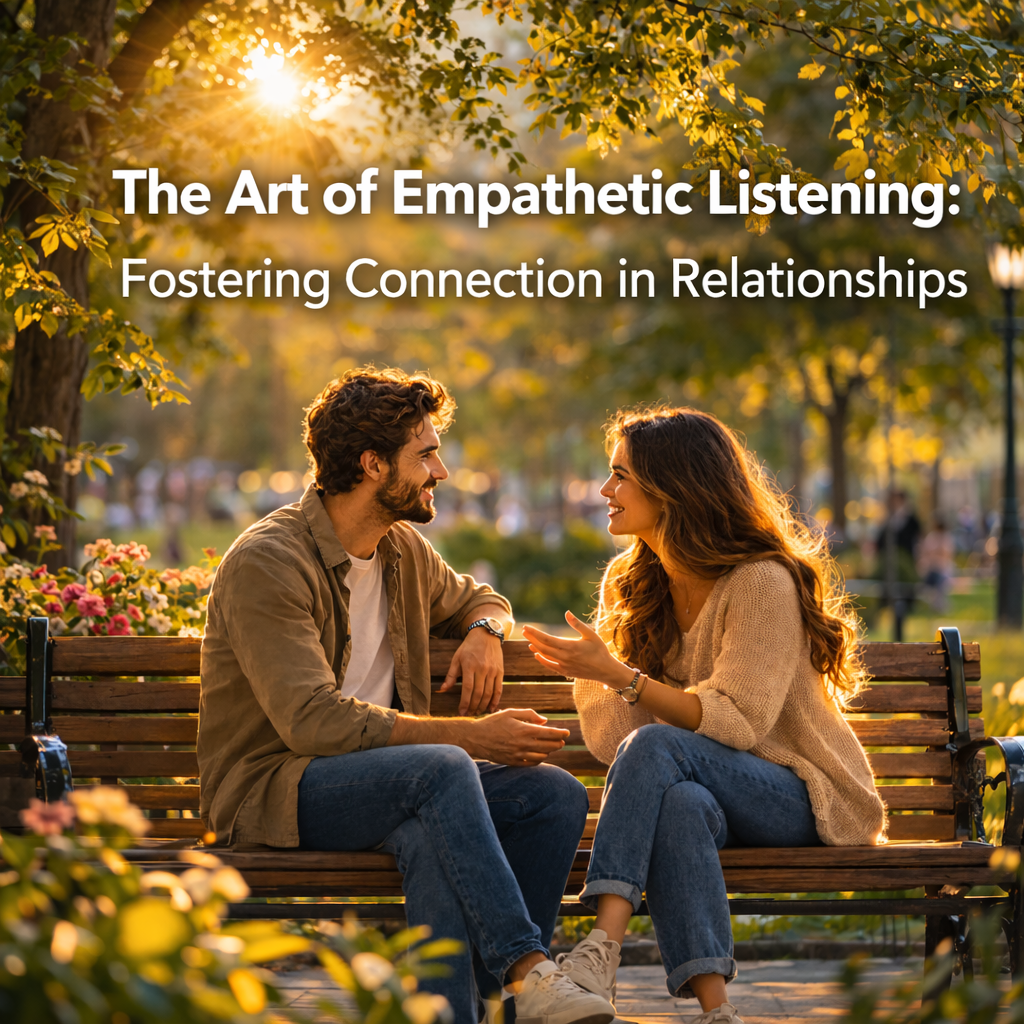
The Art of Empathetic Listening: Fostering Connection in Relationships
relationshipscommunicationempathyvalidationneedsvulnerabilitylisteningconnectionintimacyconflict resolution
In any healthy relationship, your partner will express their needs. Your initial reaction might be defensive, but it's crucial to understand that they're not criticizing you. They are simply sharing how they feel loved and valued. Avoid making excuses or deflecting with your own complaints. This creates a 'you versus me' dynamic, invalidating their experience. The right time to bring up your concerns is not immediately after your partner has shared theirs. This can be triggering for men who pride themselves on fixing things, but it's essential to ground yourself. Remind yourself that you want to be a safe space for your partner to share their feelings. Resist the urge to interrupt or defend. Instead, pay attention to your own emotions. Are you feeling pressure, tension, or a need to retreat? Remind yourself that their expression of needs is not an attack on your character. Lead with curiosity. Ask them to elaborate on how they're feeling. Use open-ended questions that encourage them to share more. Celebrate their vulnerability and create a safe space for open communication. A sustainable relationship is built on mutual understanding, kindness, and validation. Validate their feelings, even if you don't agree with every detail. This shows that you care about what's on their heart, even when it involves you. Remember, your partner also needs to learn how to express their needs without criticism or passive-aggression. You can help them by reassuring them that you're there for them, that their feelings aren't too much for you, and that you care about what's on their heart. Practice validation and empathy to foster a stronger connection. By creating a safe and supportive environment, you can transform potential conflict into an opportunity for deeper understanding and intimacy. This approach strengthens the bond between partners, fostering a relationship where both individuals feel heard, valued, and loved. It's about shifting from a defensive stance to one of genuine curiosity and empathy, allowing for a more productive and fulfilling dialogue. Ultimately, this cultivates a relationship where both partners can thrive, knowing their needs are respected and their voices are heard.
0:000:00