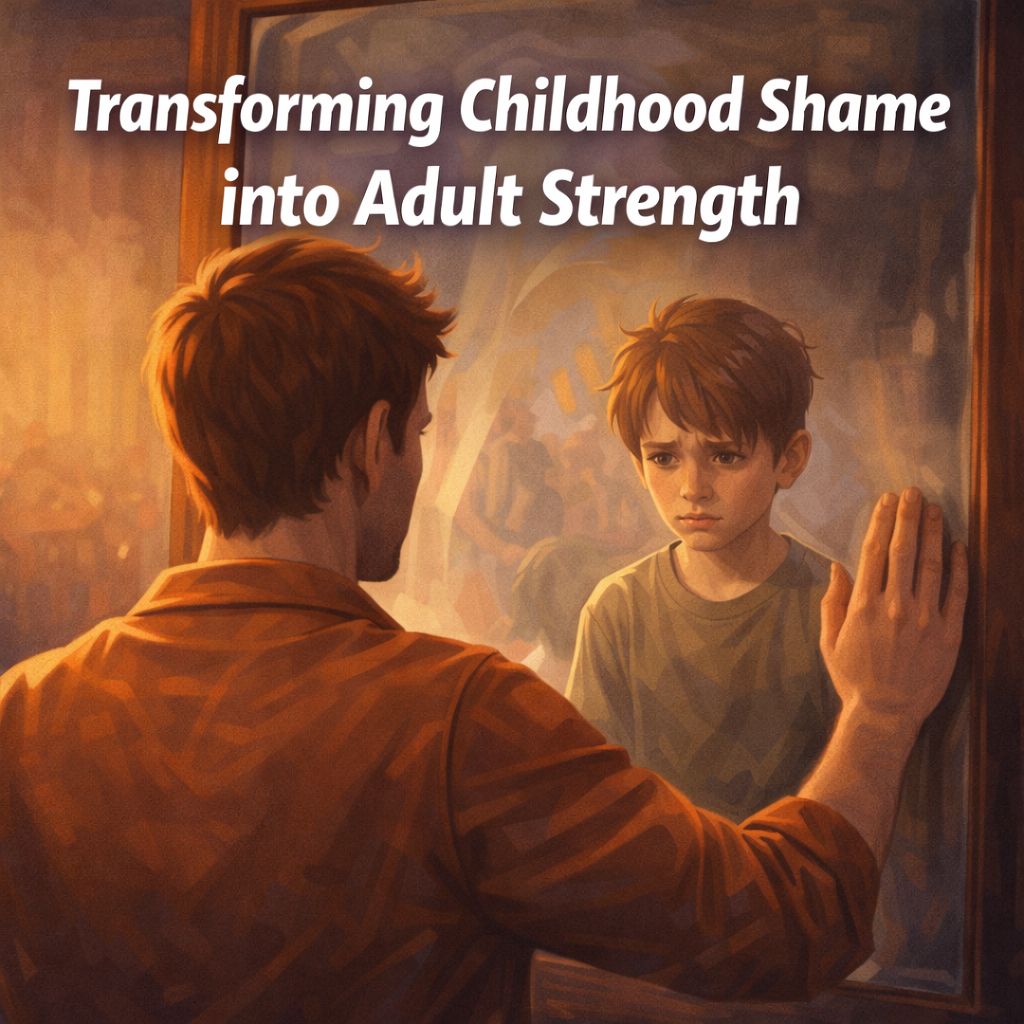
Transforming Childhood Shame into Adult Strength
PsychologyMental HealthChildhoodSelf ImprovementShame
Childhood experiences, particularly those filled with shame, can deeply shape our adult selves. A single, negative event has the power to overshadow countless positive ones, defining our self-perception for years. This is because as children, we are still forming our identities, piecing together clues from the world around us to understand who we are. A moment of shame, however, can warp this process, creating a distorted self-image that persists into adulthood. The insidious nature of shame lies in its ability to convince us that we must keep it hidden, lest we face rejection. This secrecy only allows the shame to fester, leaking into our lives and distorting our perceptions of ourselves and our relationships. Even as we grow and change, achieving success and attracting positive attention, the underlying shame can continue to whisper doubts and insecurities. It can manifest as a constant fear of being exposed as inadequate or repulsive, driving us to engage in behaviors aimed at masking our perceived flaws. True healing begins when we confront these shameful memories with the wisdom and compassion of adulthood. By recognizing that the shame itself is the problem, an inaccurate and harmful belief, we can begin to dismantle its power. Children lack the cognitive and emotional maturity to process such experiences in a healthy way, often internalizing the shame as a reflection of their own worth. It is through maturity and self-compassion that we can finally release the poison of shame and embrace a more authentic and positive self-image. Understanding that those who inflicted the shame were often acting out of their own insecurities and limited understanding is crucial. They were projecting their own prejudices and biases, not offering a true reflection of our worth. By reframing these experiences, we can reclaim our power and move forward with greater self-acceptance and resilience. The journey to healing shame is not always linear. There may be moments when the old feelings resurface, triggered by certain situations or self-perceptions. However, with awareness and self-compassion, we can challenge these thoughts and reaffirm our true worth. Ultimately, transforming childhood shame into adult strength requires a willingness to confront the past, challenge negative beliefs, and embrace a more compassionate and authentic understanding of ourselves.
0:000:00