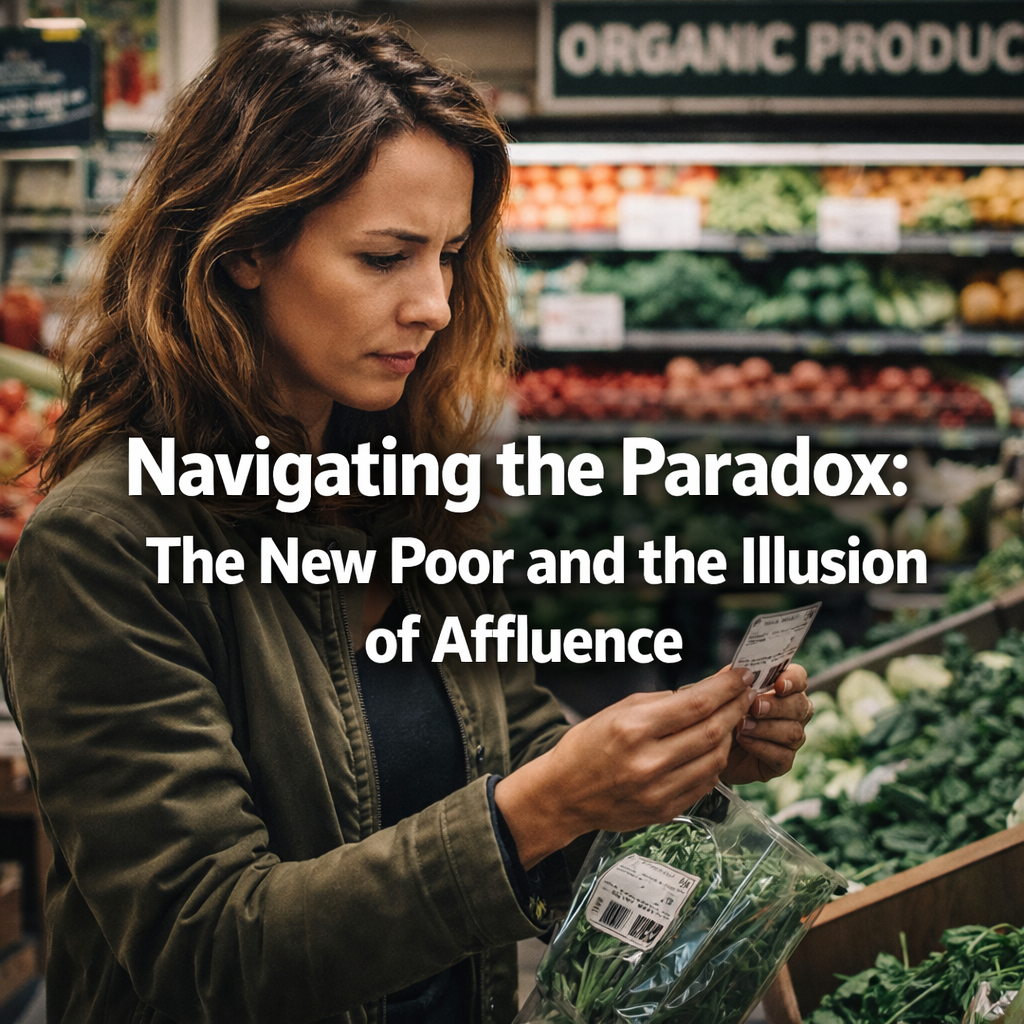
Navigating the Paradox: The New Poor and the Illusion of Affluence
HumorPoliticsEconomicsFriendshipMoneySocietyCulture
In today's society, a new class is emerging: the 'new poor.' This isn't about traditional poverty, but rather a state of financial anxiety experienced even by those who appear affluent. It's characterized by the constant need to cut corners, share resources, and seek out free opportunities to maintain a semblance of a comfortable lifestyle. The rising costs of living, stagnant wages, and the pressure to participate in a consumer culture create a unique tension. We find ourselves 'stealing' services like streaming subscriptions from friends, meticulously managing energy consumption, and relying on shared transportation to make ends meet. This isn't necessarily driven by desperation, but by a desire to maintain a certain quality of life without succumbing to crippling debt. The new poor are resourceful and creative, leveraging technology and community to navigate the economic landscape. They prioritize experiences over possessions, opting for free events and shared activities. This lifestyle reflects a shift in values, where sustainability and frugality are embraced not just for environmental reasons, but as essential survival strategies. The pursuit of organic food, gym memberships, and occasional indulgences becomes a delicate balancing act, highlighting the challenges of maintaining health and well-being in an increasingly expensive world. This new form of poverty is a reflection of systemic issues, including income inequality and the commodification of basic needs. It challenges traditional notions of wealth and poverty, revealing the hidden struggles of those who appear to have it all. The new poor are not defined by a lack of resources, but by the constant pressure to optimize and economize in the face of economic uncertainty. This requires a high degree of financial literacy, resourcefulness, and a willingness to challenge conventional norms. Ultimately, the rise of the new poor underscores the need for systemic change, including policies that address income inequality, affordable housing, and access to essential services. It also calls for a reevaluation of our values, prioritizing community, sustainability, and well-being over material possessions and status symbols. The new poor are not just surviving; they are adapting and innovating, creating new models of living that challenge the status quo and pave the way for a more equitable and sustainable future.
0:000:00