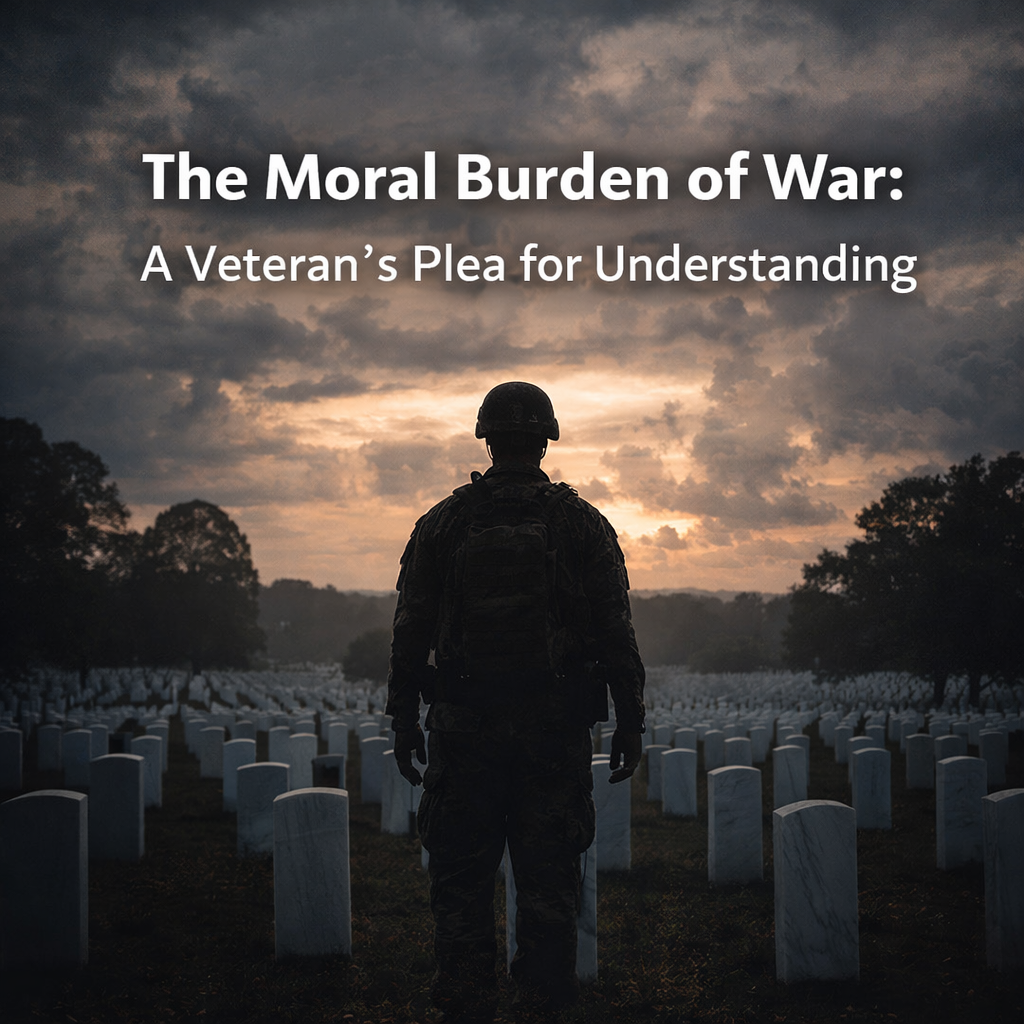
The Moral Burden of War: A Veteran's Plea for Understanding
VeteransWarMilitaryPTSDMental HealthMoral InjurySocietySacrificeResponsibilityUnderstanding
The chasm between soldiers and civilians grows ever wider, fueled by a collective reluctance to confront the true cost of war. Veterans grapple with moral injuries—the emotional shame and psychological damage incurred when actions violate their sense of right and wrong. These wounds, often unseen and unspoken, manifest as anger, depression, and a profound sense of alienation. The veteran experience is often reduced to tales of heroism, while the morally ambiguous realities of combat are ignored. This societal disconnect exacerbates the veteran's struggle to reintegrate, fostering a sense of isolation and guilt. The all-volunteer force has created a situation where a small percentage of the population bears the burden of war, while the majority remains detached from its consequences. This detachment allows civilians to shirk responsibility for the actions taken in their name, further alienating those who served. The solution lies in acknowledging the moral weight carried by veterans and fostering a dialogue that transcends political divides. By recognizing the sacrifices made and the moral compromises endured, society can begin to heal the wounds of war and bridge the gap between those who serve and those who are served. The veteran's plea is not for agreement, but for understanding and shared responsibility. Only through empathy and a willingness to confront the difficult truths of war can we truly honor the service and sacrifice of our veterans, and address the staggering rate of veteran suicide stemming from this citizen/soldier divide. We must rethink what war costs us and what we’ve asked of those who’ve fought on our behalf. In the end, no one in their right mind wants war. We want peace. And no one wants it more than the soldier.
0:000:00