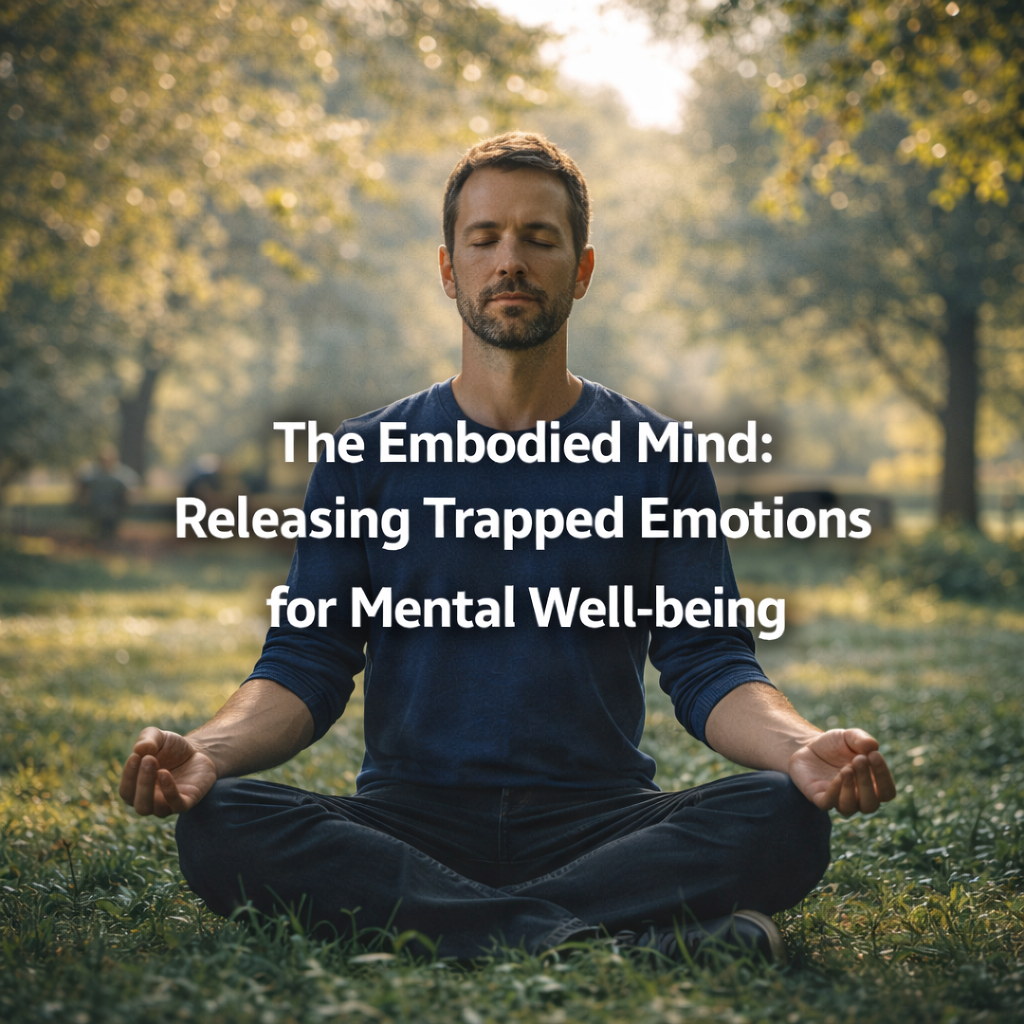
The Embodied Mind: Releasing Trapped Emotions for Mental Well-being
Mind-Body ConnectionEmotionsTrapped EmotionsMental HealthPhysical HealthStressAnxietyDepressionSomatic ExperiencingEMDRNervous SystemRelaxation TechniquesSleepExerciseNutrition
The intricate connection between mind and body reveals that emotions are not solely cognitive experiences but are deeply embedded within our physical being. This understanding challenges the conventional separation of mental and physical health, highlighting the importance of addressing emotional well-being through both psychological and physiological approaches. Emotions manifest physically, influencing bodily functions and sensations. Recognizing these physical manifestations is crucial for processing and resolving intense emotions. By acknowledging the body's role in emotional experiences, we gain insights into how emotions can become trapped, leading to various mental and physical health issues.
Trapped emotions can stem from resisting or suppressing feelings, causing them to linger within the body and disrupt its natural equilibrium. This resistance can manifest as physical tension, chronic pain, or even contribute to the development of illnesses. Body-based treatments, such as somatic experiencing therapy and EMDR, offer effective methods for releasing these trapped emotions by addressing the physical sensations associated with them. These therapies emphasize the importance of interoception, the ability to perceive and understand the body's internal signals, as a means of accessing and processing emotional experiences.
Furthermore, the state of our body directly impacts our emotional and cognitive processes. Physical tension can amplify anxiety, while relaxation can promote calmness and clarity of thought. By consciously altering our physical state through techniques like deep breathing, progressive muscle relaxation, and body scans, we can influence our emotional state and enhance our ability to manage stress and regulate our nervous system. Prioritizing physical health through practices like adequate sleep, regular exercise, and proper nutrition is essential for maintaining emotional well-being. These practices support optimal brain function and create a foundation for emotional resilience.
Ultimately, cultivating a holistic approach to mental health requires integrating mind and body. By recognizing the physical manifestations of emotions, releasing trapped emotions through body-based techniques, and prioritizing physical well-being, we can foster emotional resilience and enhance our overall quality of life. Small, consistent changes in our physical habits can lead to significant improvements in our mental and emotional health, empowering us to navigate life's challenges with greater ease and well-being.
0:000:00