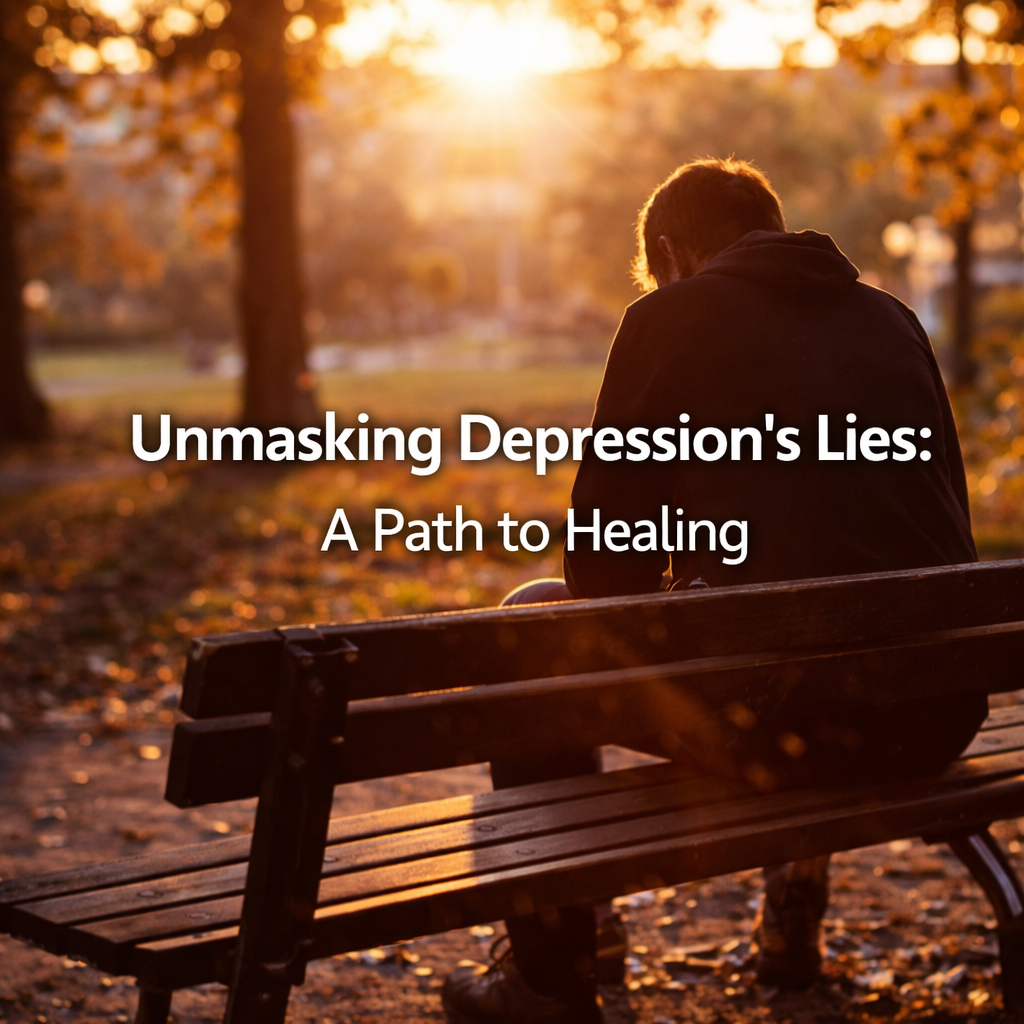
Unmasking Depression's Lies: A Path to Healing
DepressionMental HealthTreatmentTherapyRecoveryMindfulnessSelf-HelpWellnessPsychology
Depression often distorts our perception, convincing us that we are inherently flawed or permanently stuck in a state of despair. It whispers that our condition is an unchangeable part of our identity, a genetic sentence we must endure. However, this is a deception. Depression is not who you are, but rather an experience you are going through. It's a disorder, meaning that the way your brain processes information is temporarily disrupted, not that you are fundamentally broken.
It's crucial to challenge the language we use around mental illness. Instead of saying "I am depressed," consider saying "I have depression" or "I'm fighting depression." This subtle shift reframes the condition as something separate from your core self, preventing it from defining your identity. While genetics and biology play a role, they don't dictate your destiny. Research indicates that environmental factors, choices, and personal development significantly influence mental health. You possess a remarkable capacity to shape your mental well-being.
Don't be discouraged if initial attempts at treatment haven't yielded the desired results. Numerous evidence-based treatments can effectively address depression, including therapy, medication, exercise, nutritional changes, and improved sleep. Therapy can alter brain chemistry and structure, while exercise has proven more effective than medication for anxiety. Addressing nutritional deficiencies and underlying medical conditions can also alleviate depressive symptoms. Mindfulness, relaxation techniques, existential therapy, gratitude practices, and healthy social connections offer additional avenues for healing.
Remember, your brain is incredibly adaptable, capable of change even in adulthood. By modifying your thoughts and actions, you can reshape its structure, function, and chemistry. Don't succumb to the lies depression tells you. Instead, embark on a journey of self-discovery, exploring the various treatments and lifestyle adjustments that can make a difference. A skilled therapist can provide invaluable guidance and support along the way. There is hope for recovery and a brighter future. You are not alone, and you are not defined by your depression.
0:000:00